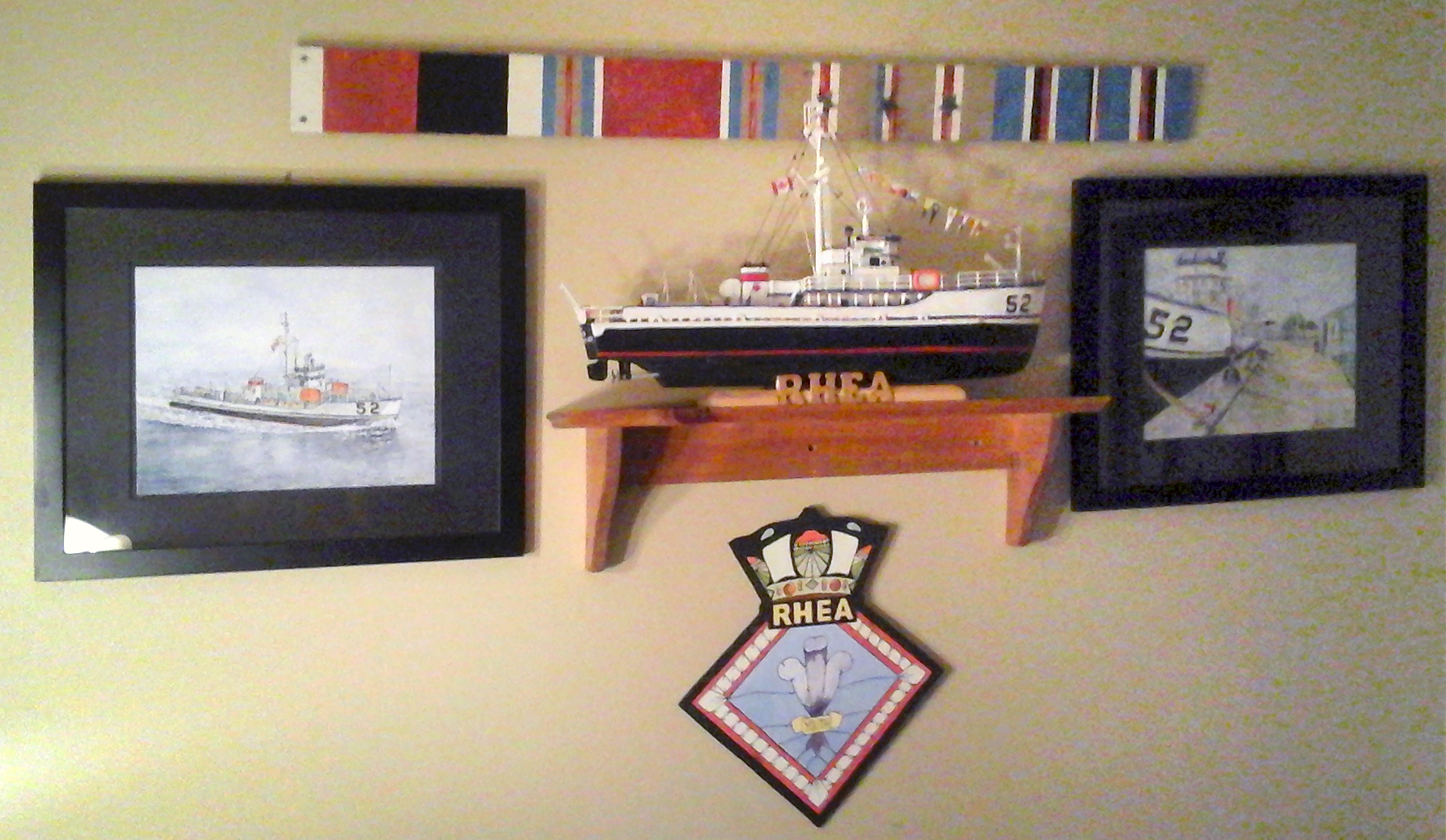
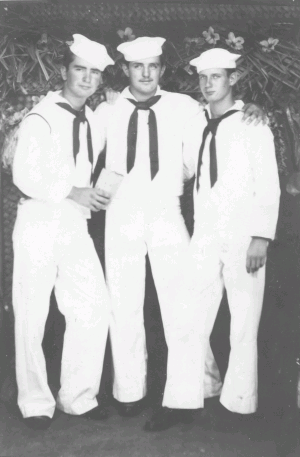
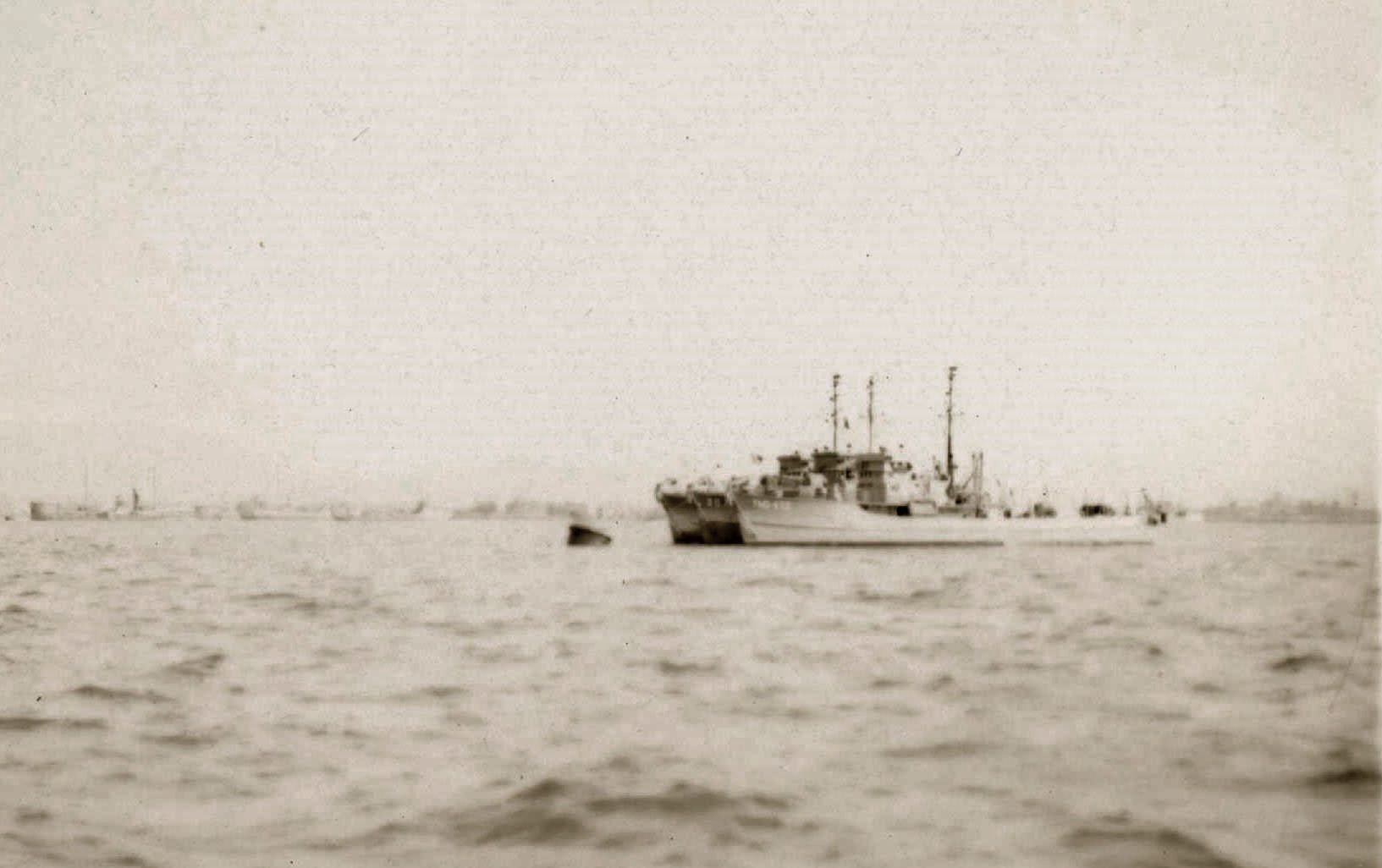
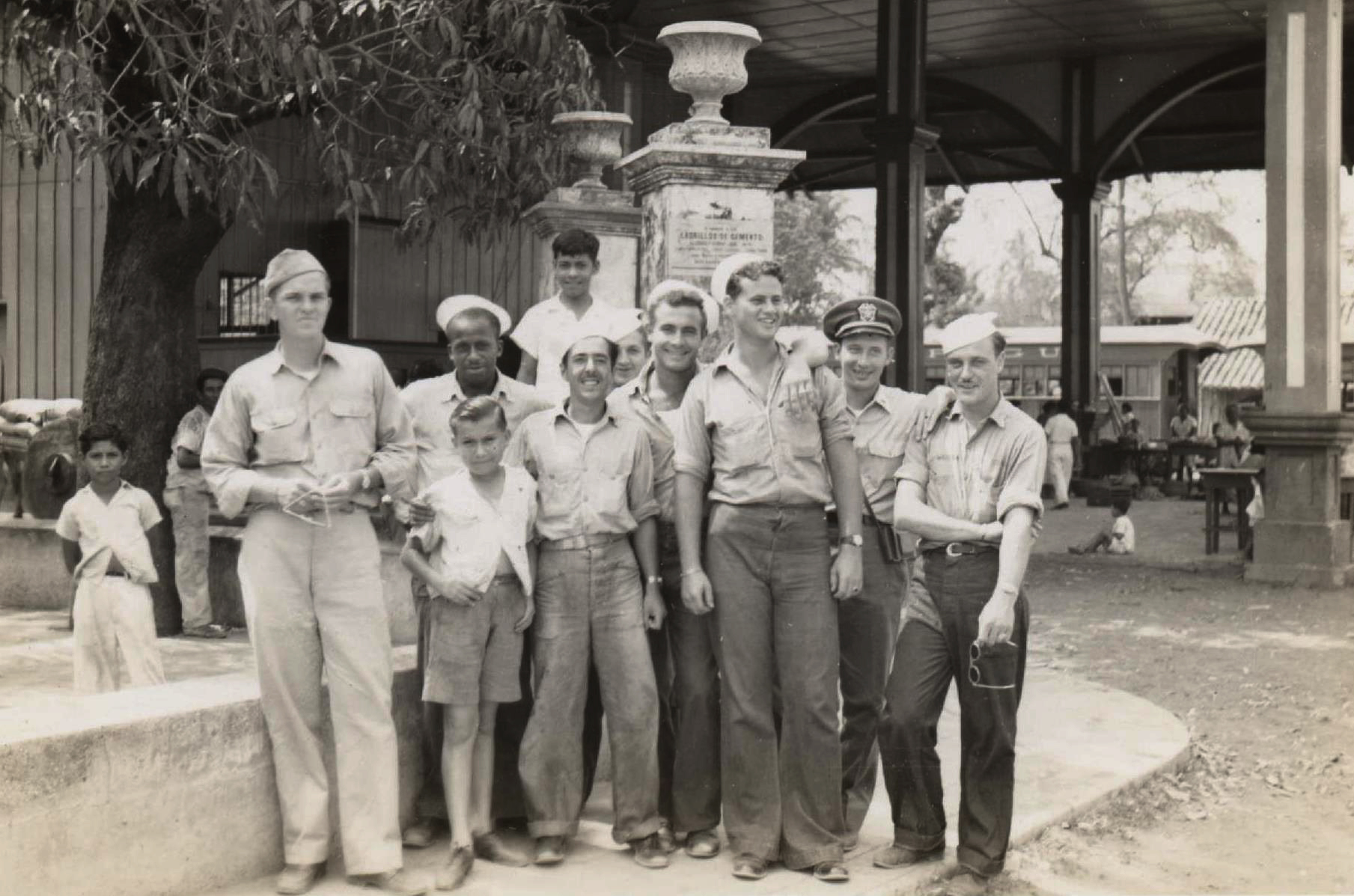
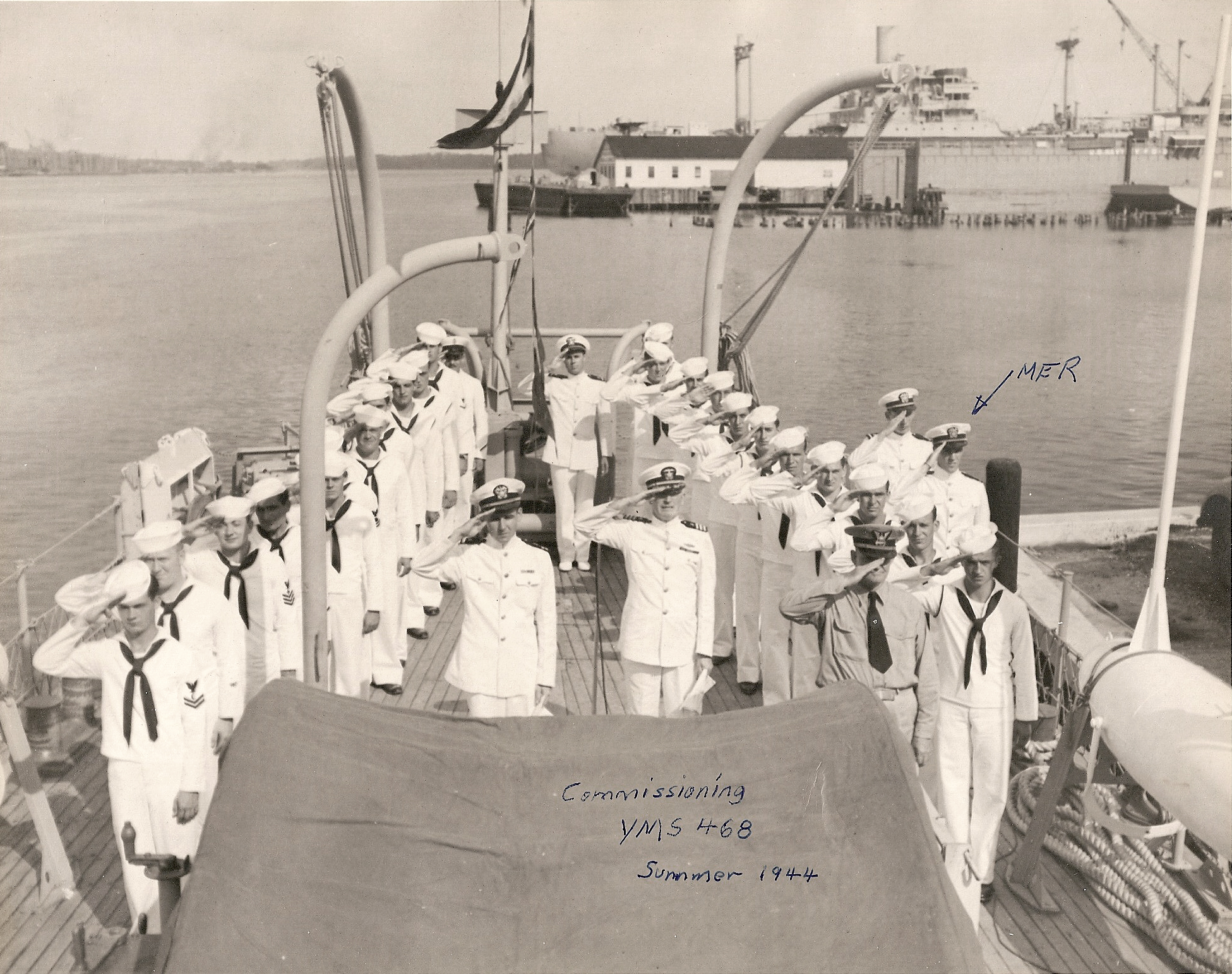
I received the below photos and story from boatswain, Jim Sherret, of the Canadian Navy cadets from the late 60′s to the early 70′s. I quite like the Christmas lights photo.

USS Rhea; Port Stanley
Feb 4
Posted by anthonydpaul in After the Battle, Photos, Seacadets, Ships, Stories | No Comments
I received the below photos and story from boatswainA boatswain is an unlicensed member of the deck department of a merchant ship. The boatswain supervises the other unlicensed members of the ship's deck department, and typically is not a watchstander, except on vessels with small crews. Other duties vary depending on the type of ship, her crewing, and other factors., Jim Sherret, of the Canadian Navy cadets from the late 60′s to the early 70′s. I quite like the Christmas lights photo.

USS Rhea; Port Stanley
Feb 2
Posted by anthonydpaul in During Battle, Ships, Soldiers, Stories, Video | No Comments
I took a look on YouTube to see what kinds of YMSYard Minesweeper. The YMS was built with a wooden hull, to prevent detonation of magnetic mines. “Yard” derives from the initial intent of the YMS fleet to remain within close proximity of their domestic naval base, i.e., the naval yard. In 1942, when the YMS was first used, it primarily swept U.S. waters for mines lain by enemy submarines. videos there are. Surprisingly, there were more than zero…which is about what I expected to find. Here’s what I found:
Feb 2
Posted by anthonydpaul in Project Updates | No Comments
Now that WordPress has fixed the date issue, I’m going to backdate any relevant posts to the date they were originally written. It’ll prevent them from showing up in RSS feeds (I think), but it’ll make them easier to read in order by time.
This’ll also contribute to the ultimate goal of generating a dynamic timeline. Pardon the dust.
Up next, I’m going to just back into transcribing some action reports and muster rolls. I want to get the names up as soon a I can, to start auditing names and families.
I got this collection of images from Rob Weilacher, a friend of some relatives who is a model builder. He also sent me a copy of some blueprints he purchased, but I haven’t posted them for copyright concern.
As you can see, I posted a couple new letters. I’m making a concerted effort to post regularly again, now that the holidays are over. I certainly have millions of documents that need to be combed.
We’re still pre-action here in terms of Chuck in the war. The next letter will be his first time aboard YMSYard Minesweeper. The YMS was built with a wooden hull, to prevent detonation of magnetic mines. “Yard” derives from the initial intent of the YMS fleet to remain within close proximity of their domestic naval base, i.e., the naval yard. In 1942, when the YMS was first used, it primarily swept U.S. waters for mines lain by enemy submarines.-299, which is exciting. You’ll get his first impressions of the ship and we’ll be going into the shakedown, where the ship is stress tested prior to crossing the Pacific and going into firefights.
I created a Facebook page to post batches of media faster, before I’ve had a chance to transcribe and/or research them fully. It’ll also make it easier to follow updates without having the blog posts mixed into your feed readers.
I am on a roll here with the brief status updates, so I’ll also let the cat out that WordPress (the blog platform I am using) has finally fixed the bug about old dates. If you curiously looked at my blog post from 1945, you’ll see I was having trouble backdating posts that far. I wanted to post each journal entry, for example, from the date it originated.
The ultimate plan is to enter all of the journal entries and letters (I’ll go back and fix them) in the actual date they are from. This will allow me to put them all into a timeline that I can also add war context to (e.g., XYZ invasion, presidential speeches, etc.). It will make it easier and more interesting to browse.
It’s a big project, for sure, but it will be a life’s work.
Jan 23
Posted by anthonydpaul in During Battle, Project Updates, Ships, Soldiers | No Comments
In other news, I was also contacted by Jim Harlan, son of John Harlan, who served alongside my grandfather on the ship. He happened upon the YMSYard Minesweeper. The YMS was built with a wooden hull, to prevent detonation of magnetic mines. “Yard” derives from the initial intent of the YMS fleet to remain within close proximity of their domestic naval base, i.e., the naval yard. In 1942, when the YMS was first used, it primarily swept U.S. waters for mines lain by enemy submarines.-299 muster roll I’d been searching for. I got my hands on dozens of pages from several roll calls. I am in the middle of transcribing them all and will begin posting pieces of them very soon so people may Google their family members’ names and find this site.
I am holding out a glimmer of hope that one or more of the soldiers on my ship are living. I know it isn’t very likely, but I have found another YMSYard Minesweeper. The YMS was built with a wooden hull, to prevent detonation of magnetic mines. “Yard” derives from the initial intent of the YMS fleet to remain within close proximity of their domestic naval base, i.e., the naval yard. In 1942, when the YMS was first used, it primarily swept U.S. waters for mines lain by enemy submarines. sibling’s crew member who is living. It isn’t my ship, but I’d like to visit soon to ask questions about the ship that I was never able to ask my grandfather.
Jan 23
Posted by anthonydpaul in After the Battle, Ships, Trinkets | No Comments
I was recently contacted by Jim Howlett, another cadet out of Port Stanley. He informed me he ran across Rhea’s wheel for sale on a nautical antiques site:
Cool stuff! Of course, it is well overpriced, and I wouldn’t know what to do with such a large thing in my house, but it is a very neat find, nonetheless. I am curious how they validated the authenticity of it—and if it is truly WWII-era, or if it would have been replaced post-war. They have the YMSYard Minesweeper. The YMS was built with a wooden hull, to prevent detonation of magnetic mines. “Yard” derives from the initial intent of the YMS fleet to remain within close proximity of their domestic naval base, i.e., the naval yard. In 1942, when the YMS was first used, it primarily swept U.S. waters for mines lain by enemy submarines. number wrong in their listing, which makes me wonder.
May 4
Posted by anthonydpaul in After the Battle, Seacadets, Ships, Stories | No Comments
This story was submitted by Vernon A.C. Mills, a cadet in post-war service aboard the ship. Thanks Vern!
Being the following incident has happened many years ago, I will try to be as accurate as possible. It would be best to keep in mind that at the time, I was only 15 years old, therefore everything seemed so critical and disastrous. In all honesty, I can’t remember if the winter of 1971–1972 was particularly bad or not, after that amount of time the best I can say is, “I’ve had a sleep since then” and winter is winter.
It was during the very early spring thaw that a fairly large log had floated downstream on the Talbot River through Port Stanley, Ontario and somehow managed to get jammed between the pier and port side of the ship. Due to the strong current of the river and high winds, the constant rocking and sway of the ship, a fairly large hole had been punched into the hull right at the water line on the port side slightly forward of amidships. I believe it was Lieutenant Harrington, who at the time was at his place of employment, had been notified that the Rhea was sitting low in the water and had a noticeable list. Read the rest of this entry »
Taking a break from my grandfather CDPCharles Dean Paul, “Chuck,” my grandfather and the author of the journal. For brevity, I’ll continue using his initials.’s letters and such, I’ve been going through the photos and stories you have been sending me to contribute. I am very thankful for them! The last few posts are bits of that. I also have a post-war story from Vernon to review and post.
After posting the muster roll, out of curiosity, I Googled each of the names to contact a few genealogy hits and let them know about this site. Maybe it will lead to some other photos or war trinkets. I am also holding out hope that I run into someone who is still alive…but that window of opportunity is quickly vanishing.
Stay tuned!
I somewhat crudely pieced together the partial scans of the ship’s blueprint. Here it is in totality, though the scans given to me where warped in places, so the measurements are likely not quite perfect. These came from copies of what appear to be microfiche film.
I plan to try and get my hands on better copies of these plans from the National Archives in the near future. Click through for as high of resolution as I have thus far.
Mar 12
Posted by anthonydpaul in Blueprints, During Battle, Photos, Project Updates, Ships, YMS-304 | No Comments
I tracked down the source of a digital 3D model of the YMSYard Minesweeper. The YMS was built with a wooden hull, to prevent detonation of magnetic mines. “Yard” derives from the initial intent of the YMS fleet to remain within close proximity of their domestic naval base, i.e., the naval yard. In 1942, when the YMS was first used, it primarily swept U.S. waters for mines lain by enemy submarines.-304 this week. The artist was gracious enough to give me a copy of the file, as well as copies of some blueprints for the YMSYard Minesweeper. The YMS was built with a wooden hull, to prevent detonation of magnetic mines. “Yard” derives from the initial intent of the YMS fleet to remain within close proximity of their domestic naval base, i.e., the naval yard. In 1942, when the YMS was first used, it primarily swept U.S. waters for mines lain by enemy submarines.-135 subclass that came from the Naval archives!
I’d give personal credit to the artist, but I need to clarify if he would like me to, as the model was put together for a paid project. If I end up using it for anything commercial, I’ll have to get permissions.
Well, at the moment, not too much. The 3D model lets me pan and rotate the ship so I can get more intimate with its layout, but it is only an exterior model at the moment. I’m in the process of scheduling some Naval archive visits to get more blueprints, because I’d like to add more detail to the 3D model, then build out the interior for some digital walk-throughs. I can’t imagine how amazing it would be to virtually walk around inside of the ship, eventually even adding textures and materials to make it seem life-like. Time to sharpen up those rusty CAD skills!
The YMSYard Minesweeper. The YMS was built with a wooden hull, to prevent detonation of magnetic mines. “Yard” derives from the initial intent of the YMS fleet to remain within close proximity of their domestic naval base, i.e., the naval yard. In 1942, when the YMS was first used, it primarily swept U.S. waters for mines lain by enemy submarines.-304 is a near sibling of the YMSYard Minesweeper. The YMS was built with a wooden hull, to prevent detonation of magnetic mines. “Yard” derives from the initial intent of the YMS fleet to remain within close proximity of their domestic naval base, i.e., the naval yard. In 1942, when the YMS was first used, it primarily swept U.S. waters for mines lain by enemy submarines.-299. Of the same subclass, the same blueprints were used in their manufacturing. The only differences between them would be minor in the construction process, as only YMSYard Minesweeper. The YMS was built with a wooden hull, to prevent detonation of magnetic mines. “Yard” derives from the initial intent of the YMS fleet to remain within close proximity of their domestic naval base, i.e., the naval yard. In 1942, when the YMS was first used, it primarily swept U.S. waters for mines lain by enemy submarines.-299 to YMSYard Minesweeper. The YMS was built with a wooden hull, to prevent detonation of magnetic mines. “Yard” derives from the initial intent of the YMS fleet to remain within close proximity of their domestic naval base, i.e., the naval yard. In 1942, when the YMS was first used, it primarily swept U.S. waters for mines lain by enemy submarines.-302 were built by the same builder.
Mar 6
Posted by anthonydpaul in Trinkets, War Context | No Comments
I had trouble finding any good versions of the Silent Defenders logo, so I went ahead and recreated it in vector format. You may download it for your own use at the bottom of this post.

Silent Defenders patch logo
Mar 5
Posted by anthonydpaul in After the Battle, Seacadets, Ships, Stories, Trinkets | No Comments
In correspondence with Vernon “Vern” A.C. Mills, he’s been giving me some more bits of information about the post-war doings of the ship as a cadet training facility. Among his saved trinkets are a cap tally (a band that would have been worn around a sailor’s hat) and a shoulder flash (patch). Thank you to Vern for sharing these!
Vern served on the ship in the 1970s, alongside Charles Donaldson, the other former cadet whom has sent me a great number of photos of the ship.
Vern also pitched in this humorous bit of information:
I just remembered something that will give you one hell of a good laugh. During my time on the Rhea, I always worked in the galley with another guy named Brian Shuart. It was Brian who got the rest of the crew and even the officers to call me, “Captain Heartburn”. Oh yeah, my culinary skills have improved since then. (I think)
All content copyright © 2008–2012 Anthony D. Paul
Arclite theme by digitalnature | powered by WordPress